
Classifying Training — Why Triathletes should better understand Anaerobic and Aerobic Capacity versus Power
Every training session should have a clear objective. This objective — like increasing aerobic capacity — dictates training variables like intensity, volume and rest. If you don’t have a clear training objective, you might perform your workouts with high precision and yet see no improvements. It’s like climbing a ladder that is leaning against the wrong wall. This article classifies training types into anaerobic and aerobic capacity versus power. Each with its own workout example.
To classify training types, we need to distinguish between aerobic vs anaerobic training adaptations. Both can be subcategorized in capacity vs power. As a result, we’re looking at four separate training categories that each have their own supercompensation curve: aerobic capacity, aerobic power, anaerobic capacity and anaerobic power. Spoiler: these terms are often used incorrectly, leading to misinterpretations and worse: ineffective training.
Aerobic vs Anaerobic: what’s the difference?
The anaerobic energy system generates energy quickly, without the need for oxygen. Although there are two anaerobic energy systems, we will focus on the glycolytic energy system in this article. This anaerobic energy system uses carbohydrates as a fuel and produces lactate.
The aerobic energy system uses oxygen to produce energy. It uses fat and lactate — produced by the anaerobic energy system — as a fuel. The aerobic energy system is dominant in endurance sports like triathlon. It is very well suited for continuous, long-duration exercise.

Aerobic power vs Anaerobic power
To compare the performance of the aerobic and anaerobic energy system, we look at their energy production rate. Aerobic power is about the energy production rate of the aerobic system, while anaerobic power looks at the energy production rate of the anaerobic system.
You can for instance compare aerobic power in watts (joules per second) with anaerobic power in watts (joules per second). More often, aerobic power is expressed in oxygen uptake per minute (VO2max) while anaerobic power is expressed in lactate production per second (VLamax). That is because oxygen uptake and lactate production are closely related to the energy production process. More about that in a bit.
Improving Power vs Capacity
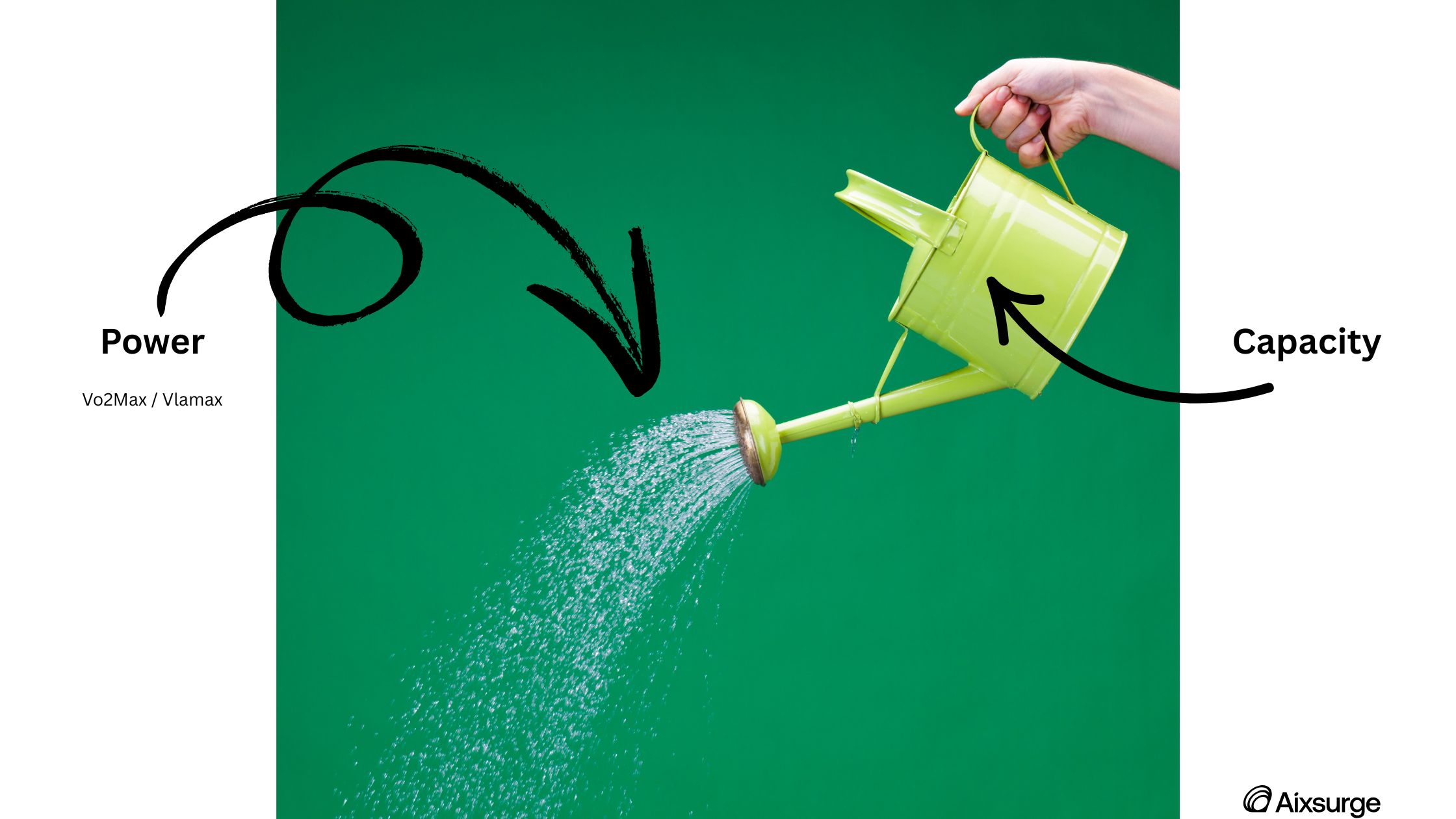
To make training goals more specific, a distinction is often made between power and capacity. Strictly speaking, “capacity” is about the size of the energy tank or battery. “Power” on the other hand, is about the rate of energy release: how fast can a system produce energy?
Let’s look at capacity vs power for the aerobic and anaerobic separately.
Aerobic power vs Aerobic capacity
Aerobic power is the rate (speed) at which the aerobic system produces energy. The maximal aerobic power is also known as the maximum rate of oxygen consumption, VO2max.
While aerobic power is about the rate of energy production, aerobic capacity is about the size of the aerobic energy tank. This size is determined by the amount of fuel (fat and carbohydrates) in the body. Since we all have plenty of fat stored in the body, aerobic capacity is not a limiting factor in sports performance. You could say it’s irrelevant.
You could say aerobic capacity is irrelevant, since we all have plenty of fat stored in the body.
So why do so many coaches and athletes talk about aerobic capacity?
Because they use this term to describe the ability to maintain aerobic exercise for a prolonged period of time. However, the ability to maintain aerobic exercise is not determined by the aerobic capacity. It’s probably better described in terms of:
- Fractional utilization of VO2max: the percentage of VO2max that you can sustain for a prolonged time.
- Fatigue resistance: the extent of the deterioration of variables like VO2max, over time.
- Time at VO2max: the time you can maintain an exercise intensity at or close to VO2max.
- Aerobic threshold: the highest exercise intensity at which the anaerobic energy supply remains relatively low.
So when comparing (max) aerobic power with aerobic capacity, we are essentially comparing the ability to generate aerobic energy rapidly with the ability to sustain high aerobic energy production over an extended period. Even though strictly speaking, aerobic capacity is not the right wording.
That’s why some prefer to call it “durability” or “aerobic endurance” instead of aerobic capacity.
Soon we’ll learn how to improve aerobic power vs aerobic capacity.
Anaerobic power vs Anaerobic capacity
A similar story is true when looking at anaerobic power vs anaerobic capacity.
Anaerobic power is the rate (speed) at which the anaerobic system produces energy. While aerobic power is expressed in oxygen uptake, anaerobic power is expressed in lactate production. Hence, the maximal anaerobic power is also known as the maximum lactate production rate, VLamax.
While anaerobic power is about the rate of energy production, anaerobic capacity is about the size of the anaerobic energy tank. This size is determined by the amount of fuel (carbohydrates) stored in the muscle. Although this is a serious limiting factor in sports performance, it is usually not what coaches and athletes mean when talking about anaerobic capacity.
Instead, they refer to the ability to maintain anaerobic exercise intensities. This can be limited by the carbohydrates in the muscles, but is more likely limited by factors like fatigue and changes in pH.
So when comparing (max) anaerobic power with anaerobic capacity, we are essentially comparing the ability to generate anaerobic energy rapidly with the ability to sustain anaerobic exercise over an extended period. Even though strictly speaking, anaerobic capacity is not the right wording.
Increase Aerobic power with training (VO2max)
With aerobic power training, we aim to improve the ability of the muscle to use oxygen to produce energy. This has been the number one goal in endurance sports like triathlon for ages.
In general, every workout that raises your oxygen consumption provides a stimulus for your body to increase VO2max.
Every workout that raises oxygen consumption, provides a stimulus to increase VO2max.
The higher your current VO2max, the more exercise you need to further improve it. This is often referred to as the law of diminishing returns. Therefore, training on a regular basis is important when wanting to increase aerobic power.
When all workouts that raise oxygen consumption provide a stimulus to increase VO2max, which aerobic power training is most effective?
Both long duration workouts — also known as long slow distance (LSD) training or base training — and high intensity interval training can increase VO2max.
Most scientific publications show that although endurance training increases VO2max, High-Intensity Interval Training does so to a greater extent.
A scientific meta analysis shows that longer intervals, lasting 3 to 5 minutes each, are the most effective in increasing VO2max. However, elite athletes might benefit more from shorter intervals lasting 30s.
Aerobic power workout example
Most triathletes will increase their aerobic power most with workouts similar to this workout example:
- Warm-up
- Intervals: 5 intervals of 5 minutes, 110% of Anaerobic Threshold
- Recovery: 5 minutes between each interval, at an intensity of 55% of Anaerobic Threshold
- Cool-down
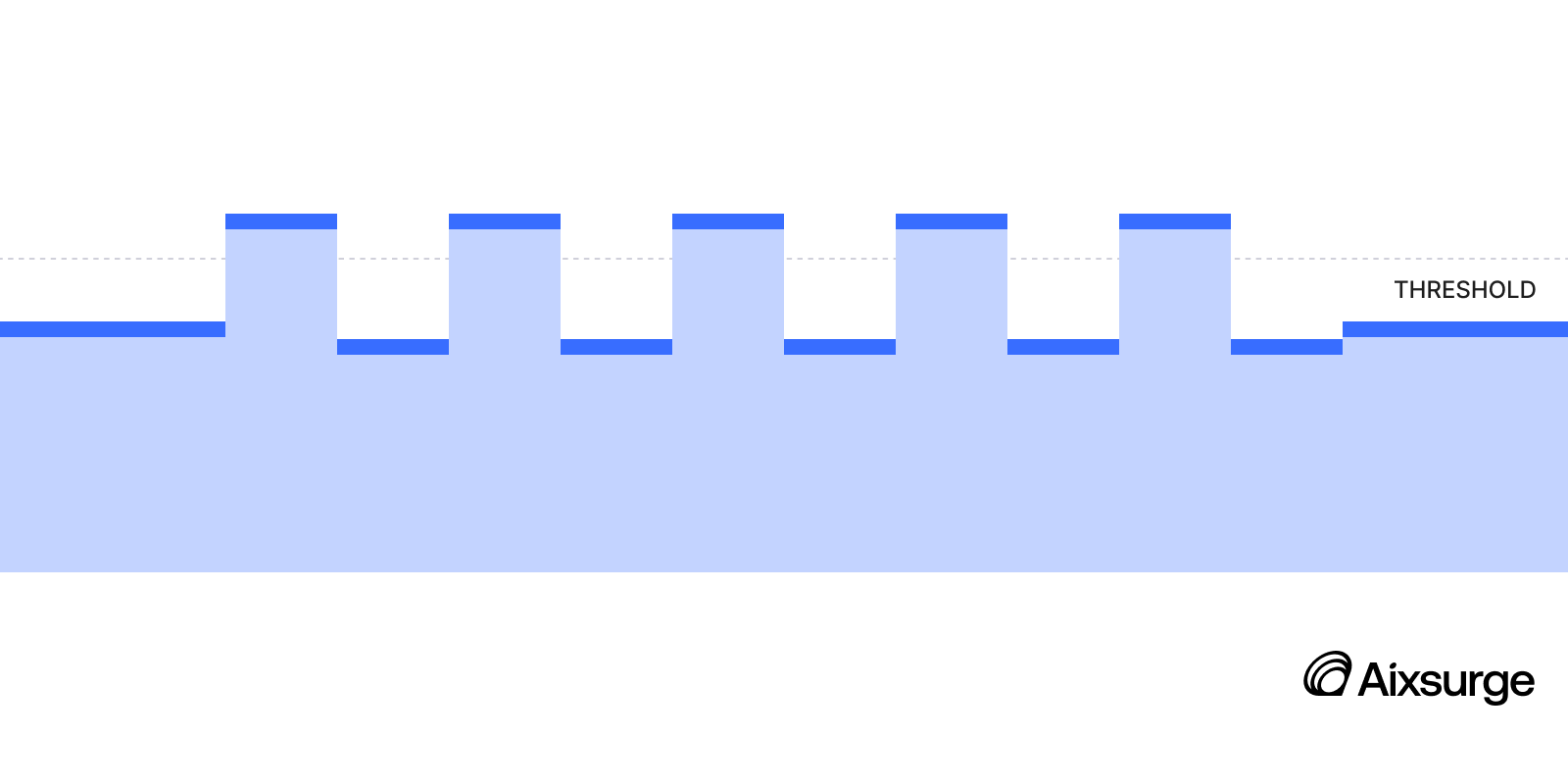
The intervals are long enough to actually reach high oxygen uptakes, while the recovery is just long enough to recharge for the next.
{% BANNER %} Need more examples? Aixsurge has a large workout library with many aerobic power workouts. These workouts are fully tailored to your current fitness level. Equally important: Aixsurge only suggests an aerobic power workout when your macro, meso, microcycle allows for it. Because most triathletes first need to work on their aerobic endurance, which we will cover in the next paragraphs.
Increase “Aerobic capacity” with training
Having a high VO2max is one thing. Being able to maintain aerobic exercise for a prolonged period of time is probably as important for triathletes. As mentioned, this ability is often unjustly referred to as aerobic capacity.
The goal of improving your “aerobic capacity” (aerobic endurance) is to improve your ability to sustain higher speeds. This involves two key aspects: increasing the speed you can maintain and extending the duration you can sustain it.
This is exactly what triathlon is about.
Carbohydrates are the optimal fuel for increasing the speed, since they provide energy quickly. However, since their availability is limited, they go against the goal of extending the duration. Fat is exactly the opposite: it’s a nearly endless energy source, but it provides energy at a slower rate.
Therefore, increasing your aerobic endurance comes down to:
- Fueling your body with carbohydrates during exercise 2. Limiting the carbohydrates required to sustain race intensity 3. Increasing the fat combustion (rate) at race intensity
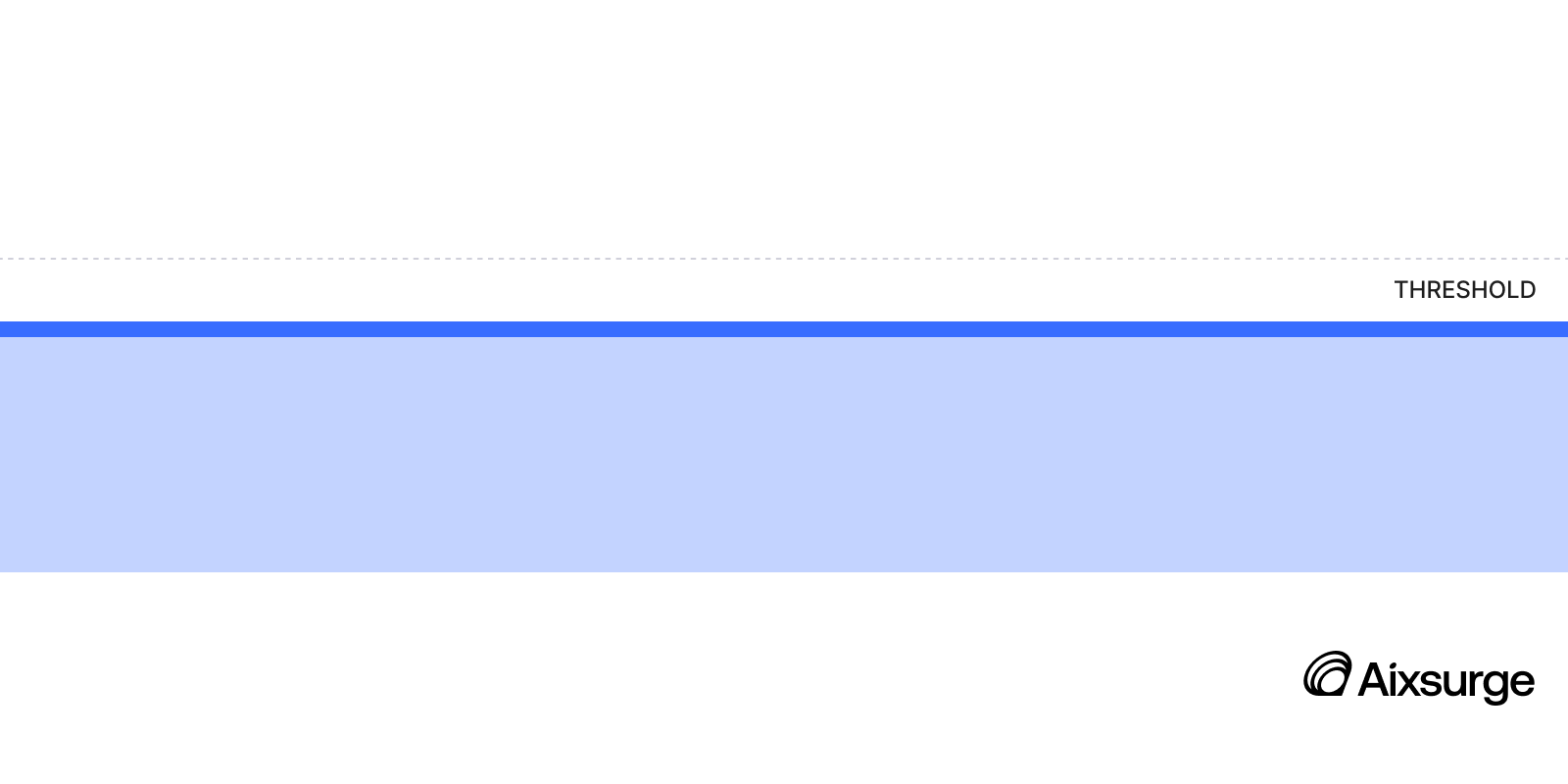
High volume, low intensity training targets goal two and three. It does so by improving fat metabolism without increasing carbohydrate combustion rates.
Increase Anaerobic power with training (VLamax)
With anaerobic power training, we aim to improve the ability of the muscle to use carbohydrates to produce energy anaerobically (without the need for oxygen). This process is also known as glycolysis, or the glycolytic energy system. It generates energy very quickly.
Anaerobic power helps you accelerate out of corners or sprint to the finish line. It can be race-decisive.
Anaerobic power can be race-decisive.
Since every carbohydrate (glucose) molecule used by this system turns into lactate, the maximum lactate production rate (VLamax) is a measure for anaerobic power performance.
To increase anaerobic power, we need high intensity intervals that bump up glycolysis.
Another important aspect is the recovery between intervals. Glycolysis produces lactate, which inhibits glycolysis like a negative internal feedback loop. So to activate the glycolytic energy system in training, you need to “get rid of” the lactate that it produces, before starting the next interval. In other words: you need relatively long active recovery.
Anaerobic power workout example
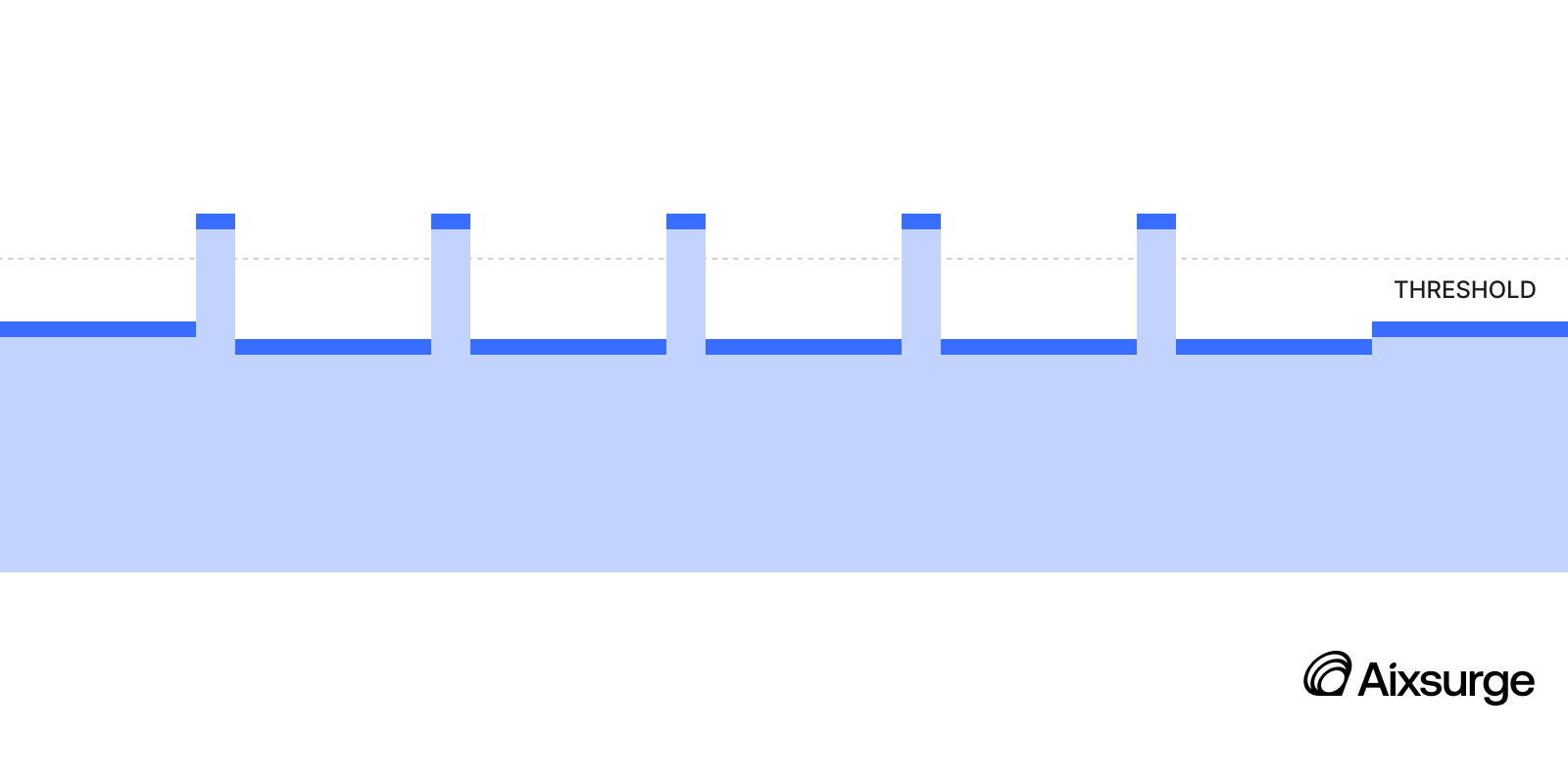
In this workout example, we keep the intervals relatively short. If you would make them too long, glycolysis would already inhibit itself. For the same reason, it’s not strictly necessary to go all-out during the interval. Last but not least, we make sure there’s plenty of recovery time to remove the lactate before the next interval starts.
- Warm-up
- Intervals: 5 intervals of 1 minutes, >120% of Anaerobic Threshold
- Recovery: 15 minutes between each interval, at an intensity of 55% of Anaerobic Threshold
- Cool-down
Although triathletes can benefit from increasing their anaerobic power, most are more likely to benefit from decreasing their anaerobic power. Here’s why.
“Most triathletes are likely to benefit from decreasing rather than increasing anaerobic power.”
Decrease VLamax with training
A high VLamax or anaerobic power increases carbohydrate combustion at any exercise intensity.
In the aerobic endurance section we discussed how triathlon is about increasing the speed you can maintain and extending the duration you can sustain it. We mentioned that one of the three ways to achieve this is by limiting the amount of carbs required to sustain race intensity.
This is achieved by decreasing rather than increasing VLamax.
High volume, low intensity training prevents VLamax from increasing. Relatively long intervals below anaerobic threshold actively decrease VLamax. That is because they activate the right muscle fiber and stimulate it to become more aerobic and less anaerobic.
Workout example that decreases VLamax
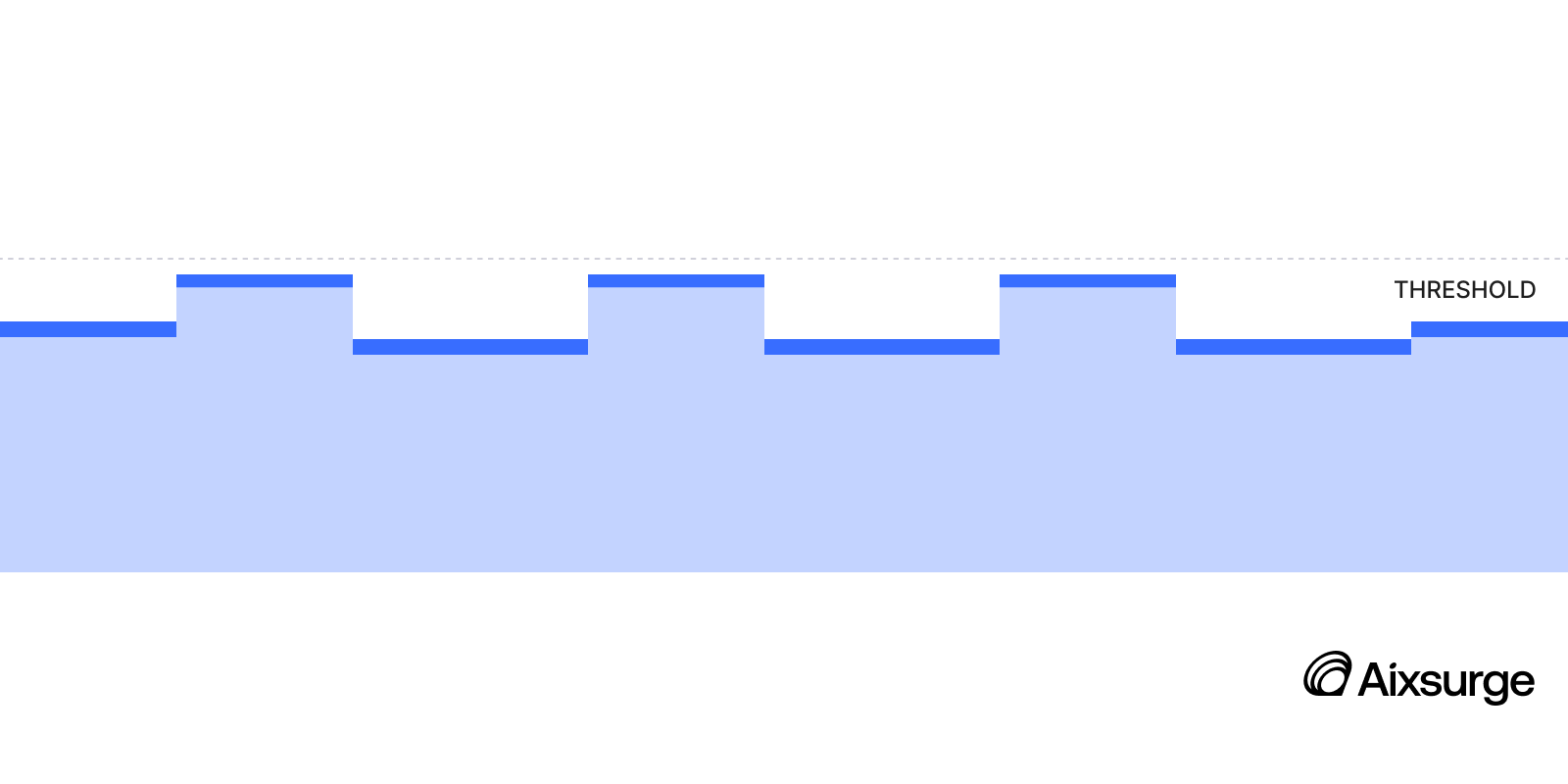
Many triathletes find this workout example effective, whether they are aware of the VLamax decreasing effect or not. It includes long intervals slightly below anaerobic threshold. These are also known as “sweet spot” intervals: they are challenging enough to trigger adaptation, but not so intense that they lead to excessive fatigue.
- Warm-up
- Intervals: 3 intervals of 15 minutes, 85% of Anaerobic Threshold
- Recovery: 20 minutes between each interval, at an intensity of 65% of Anaerobic Threshold
- Cool-down
Increase “Anaerobic capacity” with training
Improving your ability to maintain anaerobic intensities (a.ka. “anaerobic capacity”) can be interesting, regardless of whether you’re trying to increase or decrease your (maximal) anaerobic power.
Anaerobic capacity can in fact be race-decisive in some situations. For instance during a climb that lasts several minutes, or when you need to accelerate in a head-to-head battle towards the finish line.
As stated earlier, the anaerobic energy system produces lactate. This lactate slows the energy system down in a negative feedback loop. So to maintain high-intensity exercise, you need to either limit lactate production, or speed up lactate removal.
Limiting lactate production comes down to decreasing VLamax. A topic we just covered.
Lactate removal happens in the aerobic energy system. This system burns lactate as a fuel. Therefore, improving your ability to “get rid of” lactate quickly, comes down to increasing your VO2max.
Both decreasing VLamax and increasing VO2max will have a positive effect on your ability to maintain typical anaerobic intensities. However, note that a higher VO2max is always better, while decreasing VLamax comes at a cost. It decreases your maximal anaerobic power, which you might need in a race-decisive acceleration.
Putting theory into practice
Now that we have a better understanding of the differences between aerobic and anaerobic capacity vs power, we can dedicate our training blocks to a specific goal with a specific training strategy.
All four objectives have their place and time in a well-designed training program. The order in which you try to improve the energy systems is crucial, since they are highly related to each other (the end product of the anaerobic energy system is a source of fuel for the aerobic energy system).
If you are like most triathletes, you probably prefer to spend your (limited) time on training, instead of figuring out what to do in training. Download the app now.
References
Although endurance training increases VO2max, High-Intensity Interval Training does so to a greater extent.
- Milanović Z, Sporiš G, Weston M. Effectiveness of High-Intensity Interval Training (HIT) and Continuous Endurance Training for VO2max Improvements: A Systematic Review and Meta-Analysis of Controlled Trials. Sports Med. 2015 Oct;45(10):1469-81. doi: 10.1007/s40279-015-0365-0. PMID: 26243014.
https://pubmed.ncbi.nlm.nih.gov/26243014/
Longer intervals, lasting 3 to 5 minutes each, are the most effective in increasing VO2max.
- Bacon AP, Carter RE, Ogle EA, Joyner MJ. VO2max trainability and high intensity interval training in humans: a meta-analysis. PLoS One. 2013 Sep 16;8(9):e73182. doi: 10.1371/journal.pone.0073182. PMID: 24066036; PMCID: PMC3774727.
https://pubmed.ncbi.nlm.nih.gov/24066036/
Elite athletes might benefit more from shorter intervals lasting 30s.
- Rønnestad BR, Hansen J, Nygaard H, Lundby C. Superior performance improvements in elite cyclists following short-interval vs effort-matched long-interval training. Scand J Med Sci Sports. 2020 May;30(5):849-857. doi: 10.1111/sms.13627. Epub 2020 Feb 5. PMID: 31977120.
https://pubmed.ncbi.nlm.nih.gov/31977120/
Every carbohydrate (glucose) molecule used by this system turns into lactate.
- Rogatzki MJ, Ferguson BS, Goodwin ML, Gladden LB. Lactate is always the end product of glycolysis. Front Neurosci. 2015 Feb 27;9:22. doi: 10.3389/fnins.2015.00022. PMID: 25774123; PMCID: PMC4343186.
https://pubmed.ncbi.nlm.nih.gov/25774123/

Table of Contents